Honduras Business Seminar Held in Tokyo


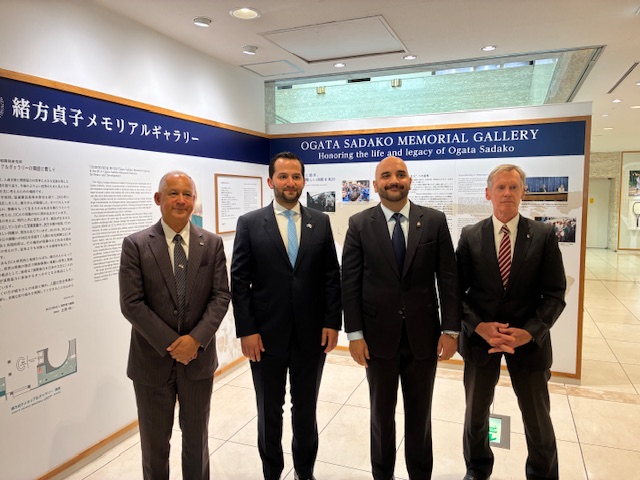
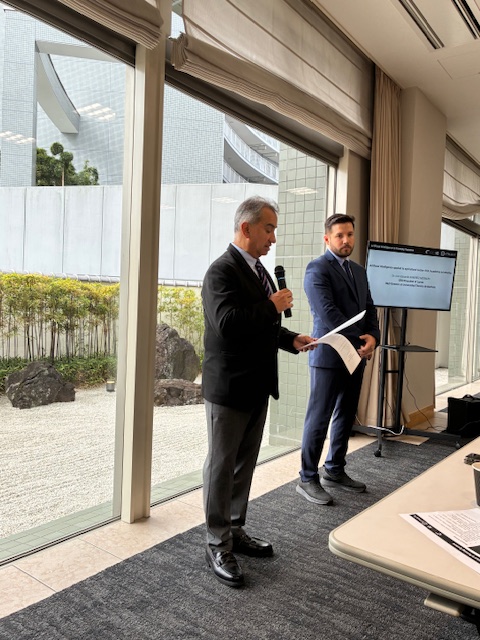
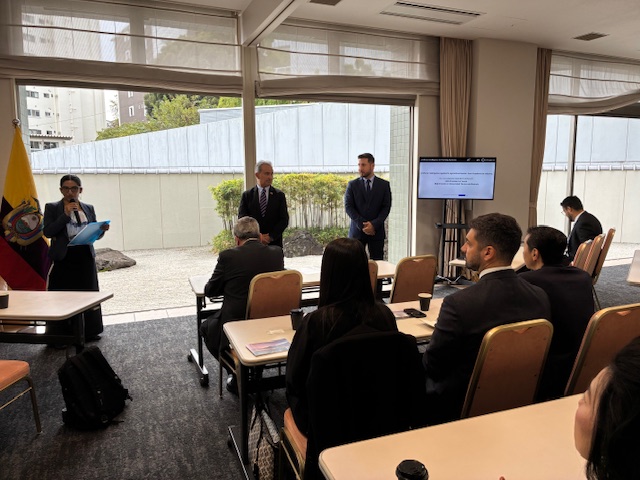
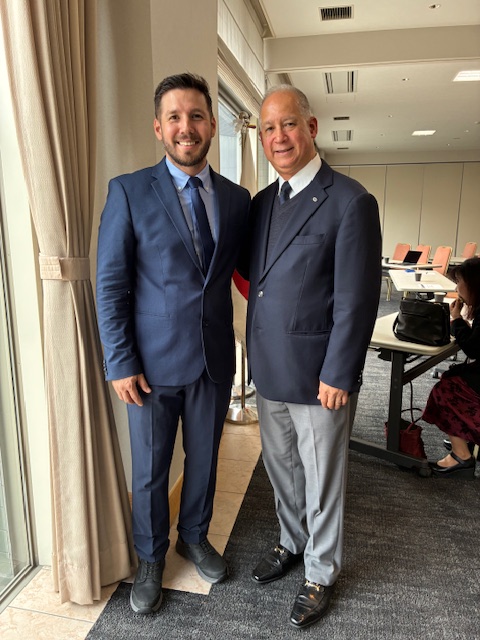
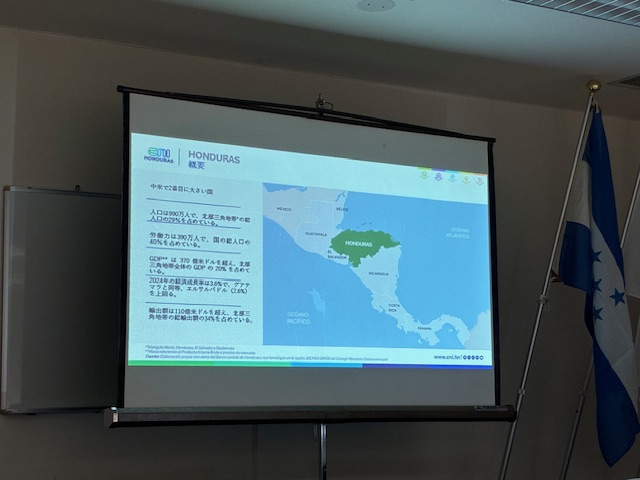
On September 24, Dr. Ritter Díaz, Representative Director of JAPOLAC, together with Mr. Neil Butler, Senior Director, participated in the Honduras Business Seminar held at the JICA Ogata Sadako Research Institute for Peace and Development in Tokyo. The event was jointly organized by the Ministry of Promotion and Investment of Honduras and the Embassy of the Republic of Honduras in Japan, with the collaboration of JICA.

The seminar brought together government officials, business representatives, and key stakeholders committed to strengthening economic ties between Honduras and Japan.

During the opening remarks, H.E. Harold Burgos, Ambassador of the Republic of Honduras to Japan, underscored the importance of deepening bilateral economic cooperation and promoting mutual understanding between the business communities of both countries.

The event was honored by the participation of H.E. Miguel Medina, Minister of Promotion and Investment of Honduras, who highlighted the strategic opportunities Honduras offers Japanese investors, particularly in the sectors of manufacturing, agribusiness, renewable energy, and logistics. Minister Medina emphasized the Honduran government’s commitment to fostering an open, competitive, and business-friendly environment that encourages foreign direct investment.

During the seminar, Dr. Ritter Díaz, Representative Director of JAPOLAC, exchanged views with the Honduran delegation on Japanese business protocol and the expectations that Japanese corporations have when engaging with foreign partners. Dr. Díaz stressed the importance of cultivating trust through long-term relationships, due diligence, quality assurance, and timely and transparent communication.

Dr. Díaz also reiterated JAPOLAC’s strong commitment to supporting small and medium-sized enterprises (SMEs) in Honduras seeking to access the Japanese market. He noted that SMEs represent a vital pillar of national economies and affirmed that JAPOLAC stands ready to facilitate business connections, provide market insights, and promote cooperation initiatives aimed at increasing the presence of Honduran products in Japan.
Courtesy Visit of JAPOLAC to the Ambassador of the Dominican Republic and Participation in the Exhibition “Trascendencia”


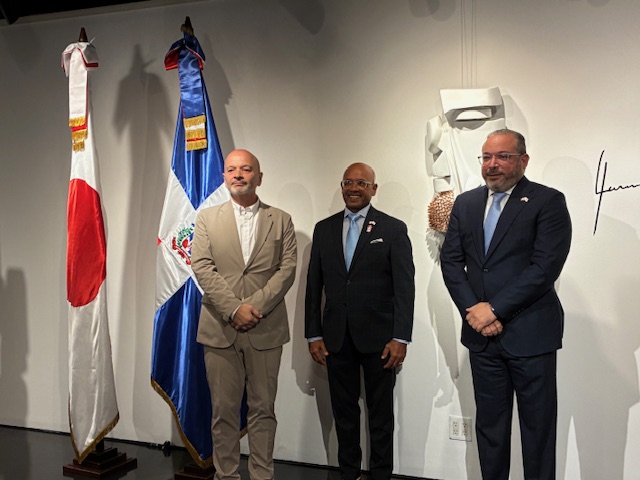
On September 30, 2025, Dr. Ritter Díaz, Representative Director of the Japan Association for the Promotion of Latin America and the Caribbean (JAPOLAC), paid a courtesy visit to H.E. Mr. Edward Pérez, Ambassador of the Dominican Republic to Japan.

Dr. Díaz was accompanied by members of the Board of Directors of JAPOLAC, namely Mr. Ajoy Sinha Roy, Mr. Neil Butler, and Mr. Fredy Armijos.

During the meeting, Dr. Díaz provided an overview of JAPOLAC’s objectives and activities, highlighting the Association’s role in promoting practical cooperation and exchanges between Japan and the countries of Latin America and the Caribbean. Particular emphasis was placed on JAPOLAC’s initiatives in the areas of cultural promotion, business facilitation, and academic exchange.

In this context, Dr. Díaz explained about the Dominican Republic cultural event organized by JAPOLAC in 2023, as well as a Dominican food tasting initiative carried out in cooperation with Kura Sushi. This initiative was designed to introduce Dominican coconut fish cuisine to Japanese audiences at Kura Sushi Pavilion in Expo Osaka 2025.

Dr. Díaz also reiterated his support for Ambassador Pérez’ diplomatic mission, underscoring that JAPOLAC serves as an additional platform to support the Embassy’s initiatives and to provide valuable insights on political, economic, social, and international developments in Japan.

Ambassador Pérez welcomed the visit and expressed his appreciation for the opportunity to learn more about JAPOLAC and its efforts to strengthen ties between Japan and Latin America and the Caribbean, including the Dominican Republic.

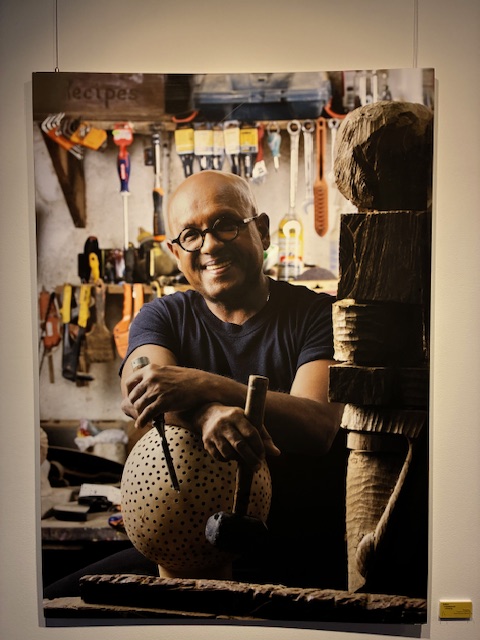
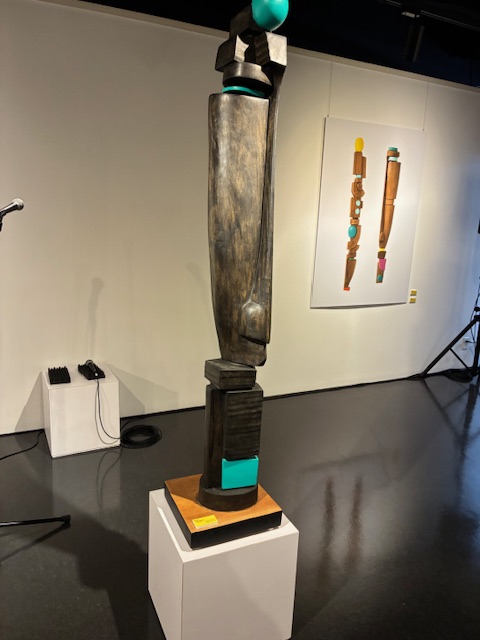
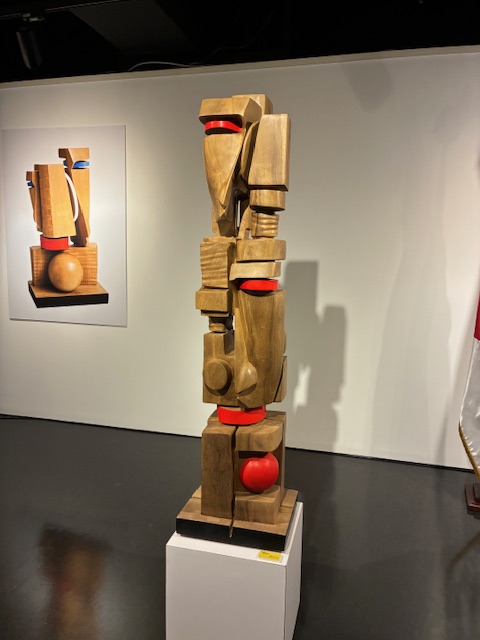
On the same day, Dr. Díaz participated in the exhibition “Trascendencia”, held at the Instituto Cervantes in Tokyo, by invitation of the Embassy of the Dominican Republic. The exhibition featured wooden sculptures by Dominican artist Juan Trinidad and explores the concept of transcendence through wood as a medium, connecting nature, memory, identity, and cultural continuity.

Dr. Díaz expressed his sincere appreciation to the Embassy of the Dominican Republic for the invitation and congratulated the organizers for an exhibition that contributed meaningfully to cultural dialogue and mutual understanding between the Dominican Republic and Japan.

Representative Director of JAPOLAC Delivers Lecture and Workshop on International Business


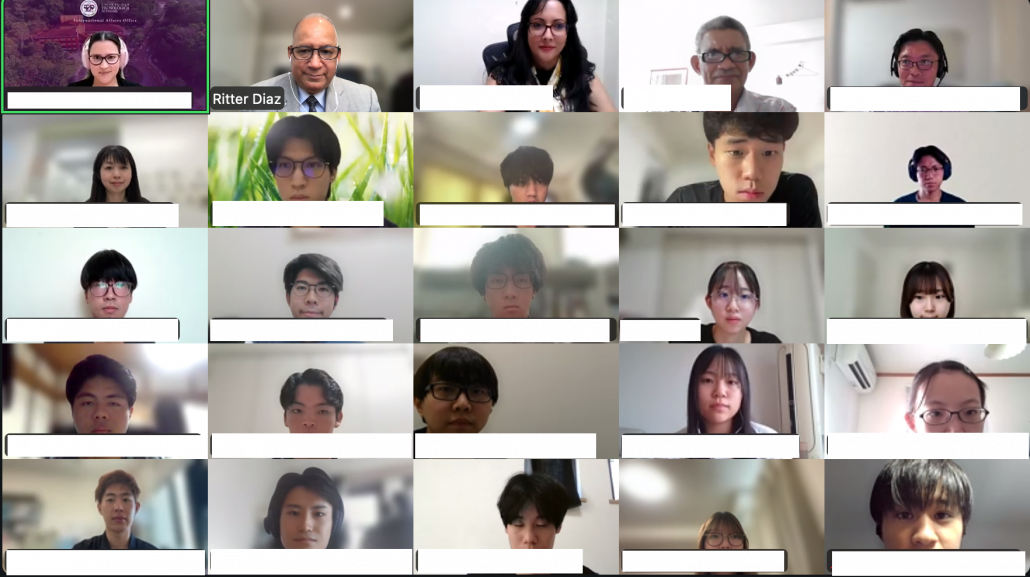
The 2025 International Career Seminar, organized by Utsunomiya University and the University Consortium Tochigi was held online on September 20, 27, and 28, 2025, with the participation of university students from Japan as well as partner institutions in Sri Lanka, Malaysia, Thailand, and Cambodia.

For the 2025 edition, the seminar continued its mission to strengthen students’ international awareness, cultivate professional competencies, and provide practical knowledge for careers in a globalized environment. The three-day seminar featured plenary sessions, panel discussions, work-group activities, and final presentations. The seminar was conduced in English, helping students to gain confidence in international communication.

Dr. Ritter Díaz, Representative Director of JAPOLAC, served as lecturer and facilitator for the Work Group titled “Advising Foreign Exporters about the Japanese Market.”

During the seminar, Dr. Díaz delivered a lecture on International Business and conducted an interactive workshop guiding students through:

  • Japanese consumer behavior
  • Key requirements for entering the Japanese market
  • Cultural and negotiation considerations for foreign companies
  • Expectations of Japanese corporations regarding quality, communication, and long-term partnership building
  • Case-based analysis of real export scenarios from emerging economies

The workshop also engaged students from Utsunomiya University and partner universities such as the University of Peradeniya, Universiti Malaysia Sarawak, and the Royal University of Phnom Penh, who examined the challenges and opportunities faced by exporters attempting to enter Japan’s highly competitive market.

Presentation on Artificial Intelligence in Agriculture Organized by the Embassy of Ecuador


On November 6, Dr. Ritter Díaz, Representative Director of JAPOLAC, attended a presentation entitled “Artificial Intelligence in Farming Systems: From Academia to Industry,” organized by the Embassy of the Republic of Ecuador in Japan and held at the Official Residence.

The event brought together diplomats, academics, corporate executives, researchers, and professionals to gain insights into the expanding role of artificial intelligence (AI) and precision farming technologies in modern agriculture in Ecuador.

The presentation was delivered by Dr. Iván Eduardo Ramírez Morales, CEO and President of Larvia and R&D Director at the Universidad Técnica de Machala (UTMACH). Dr. Ramírez Morales presented concrete examples of how AI-based models and advanced data analytics are being successfully applied to agricultural production processes, effectively illustrating the link between academic research and industrial implementation.

In recognition of his outstanding contributions to agricultural research, innovation, and international scientific cooperation, Dr. Morales received the JIRCAS Award granted by the Japan International Research Center for Agricultural Sciences (JIRCAS). This distinction underscores the importance of strengthening collaboration between Japan and Latin America in the fields of agricultural science, technology transfer, and sustainable development.

Dr. Díaz expressed his appreciation to the Embassy of Ecuador for the kind invitation to this remarkable lecture and congratulated Dr. Morales on both his insightful presentation and the well-deserved international recognition conferred by JIRCAS.

2025 Short Online Programs by the University of Technology, Jamaica, and the Panama Technological University for Chiba University Students


The Japan Association for Promotion of Latin America and the Caribbean (JAPOLAC) coordinated the 2025 Short Online Programs (SOPs) delivered by the University of Technology, Jamaica (UTech, Ja.) and the Panama Technological University (PTU) for students of Chiba University. Both programs were conducted fully online in English and were designed to strengthen academic and cultural understanding of the Latin American and Caribbean region.

UTech, Jamaica Short Online Program

The 2025 UTech Short Online Program, which began on September 1, 2025, lasted for three weeks and continued UTech’s growing academic partnership with Chiba University.
This program represents the third edition of the UTech SOP delivered to Chiba University students.

As in previous years, the program offered a multidisciplinary curriculum introducing students to Jamaica’s history, culture, energy sector, environmental challenges, and contemporary social issues, while also incorporating interactive cultural exchange sessions with Jamaican students.

Panama Technological University Short Online Program

The 2025 PTU Short Online Program commenced on September 2, 2025, and likewise extended for three full weeks. This program marks the eighth edition delivered by PTU to Chiba University, following earlier programs conducted since 2021.

The curriculum introduced Chiba University students to Panama’s global strategic relevance, with a strong focus on:

  • The Panama Canal — history, water management, and climate adaptation
  • Panama’s role as a logistics and maritime hub
  • Sustainable development and environmental policies in Central America
  • Interactive sessions with Panamanian students to promote cross-cultural dialogue

The 2025 SOPs reinforced JAPOLAC’s mission to support internationalization in Japanese higher education, providing Chiba University students with direct exposure to academic institutions in the Caribbean and Central America. Both programs offered immersive, interactive, and practical learning experiences that broadened students’ global awareness and strengthened their intercultural communication skills.