2025 Short Online Programs by the University of Technology, Jamaica, and the Panama Technological University for Chiba University Students
The Japan Association for Promotion of Latin America and the Caribbean (JAPOLAC) coordinated the 2025 Short Online Programs (SOPs) delivered by the University of Technology, Jamaica (UTech, Ja.) and the Panama Technological University (PTU) for students of Chiba University. Both programs were conducted fully online in English and were designed to strengthen academic and cultural understanding of the Latin American and Caribbean region.
UTech, Jamaica Short Online Program
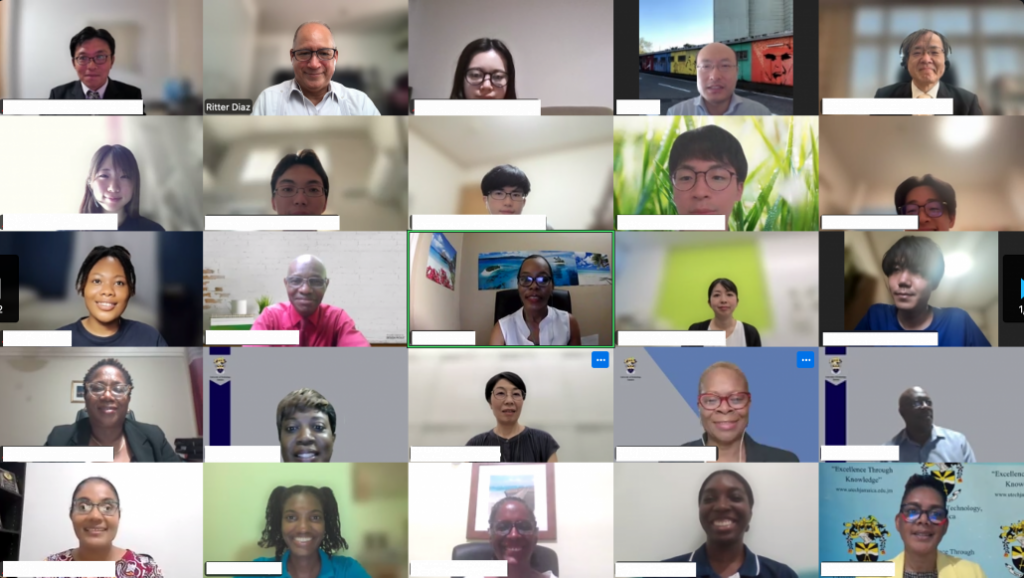
The 2025 UTech Short Online Program, which began on September 1, 2025, lasted for three weeks and continued UTech’s growing academic partnership with Chiba University.
This program represents the third edition of the UTech SOP delivered to Chiba University students.
As in previous years, the program offered a multidisciplinary curriculum introducing students to Jamaica’s history, culture, energy sector, environmental challenges, and contemporary social issues, while also incorporating interactive cultural exchange sessions with Jamaican students.
Panama Technological University Short Online Program
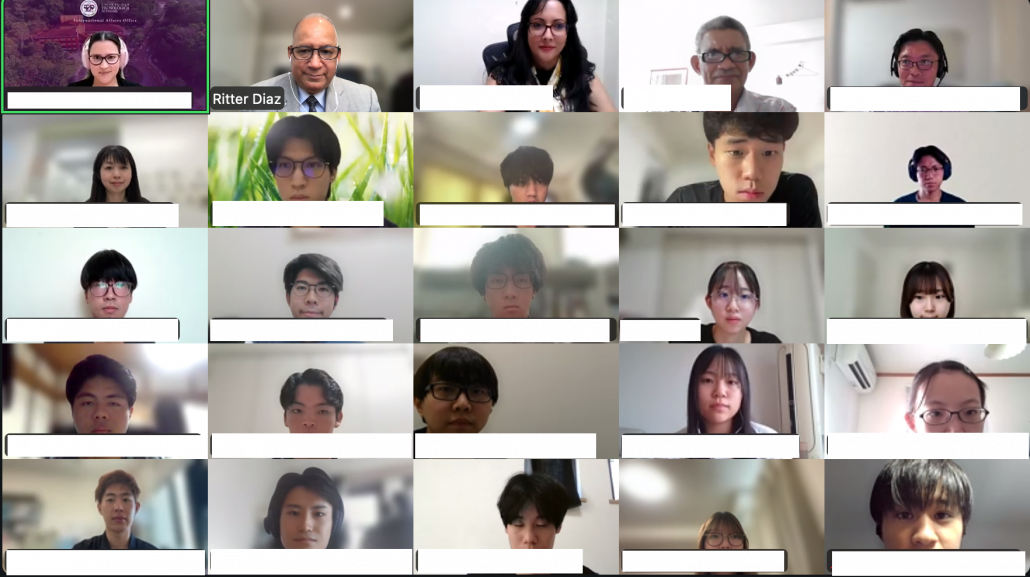
The 2025 PTU Short Online Program commenced on September 2, 2025, and likewise extended for three full weeks. This program marks the eighth edition delivered by PTU to Chiba University, following earlier programs conducted since 2021.
The curriculum introduced Chiba University students to Panama’s global strategic relevance, with a strong focus on:
- The Panama Canal — history, water management, and climate adaptation
- Panama’s role as a logistics and maritime hub
- Sustainable development and environmental policies in Central America
- Interactive sessions with Panamanian students to promote cross-cultural dialogue
The 2025 SOPs reinforced JAPOLAC’s mission to support internationalization in Japanese higher education, providing Chiba University students with direct exposure to academic institutions in the Caribbean and Central America. Both programs offered immersive, interactive, and practical learning experiences that broadened students’ global awareness and strengthened their intercultural communication skills.